Aamir Khan was on a promotional spree for his upcoming flick, ‘3 Idiots’. He has been traveling to various parts of India in costume to promote his film. Newly, when he was traveling in an auto-rickshaw in the look of an old man, his vehicle collided with another three wheeler and luckily, Aamir Khan escaped unharmed. But two of his co-passengers continual several injuries. Aamir with his two colleagues were taken to hospital.
A majority of Indian auto rickshaws have no doors or seatbelts. They are generally yellow or green in colour and have a black roof on the top. Their design varies considerably from place to place. In some locations, they have an extra plank on the seat to accommodate a fourth passenger. In reality it is not uncommon to see 6-8 passengers in an auto rickshaw with such an ad hoc setup, although, in theory, autos risk fines for carrying more than three passengers in many places.
In a rally car on a tricky road in Marrakesh, Morocco, navigating heavy traffic is not exactly the kind of situation where you’d be struck by life-altering inspiration. As it turns out though, that was exactly when Aravind Bremanandam decided to organise the Rickshaw Challenge in India in 2006.
“I was in a 400-dollar car, moving along merrily, while others in their SUVs were having a hard time. When everyone asked me how I was doing so well, I told them that this was a cakewalk compared to the roads and traffic in India!”
Aravind’s brainchild, the Classic Run 2010 is the race to be part of if you call yourself an adventure junkie.
Aamir Khan has come up with a unique marketing strategy for 3 Idiots. He has printed stickers for autorickshaws that say ‘Capacity: 3 Idiots’. The rickshaws have been introduced in the city and are plying in both central and western suburbs.
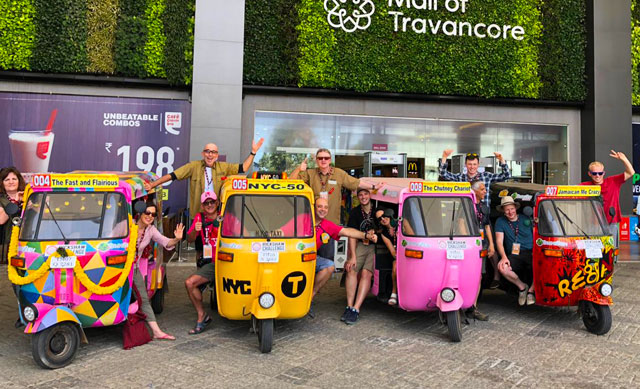
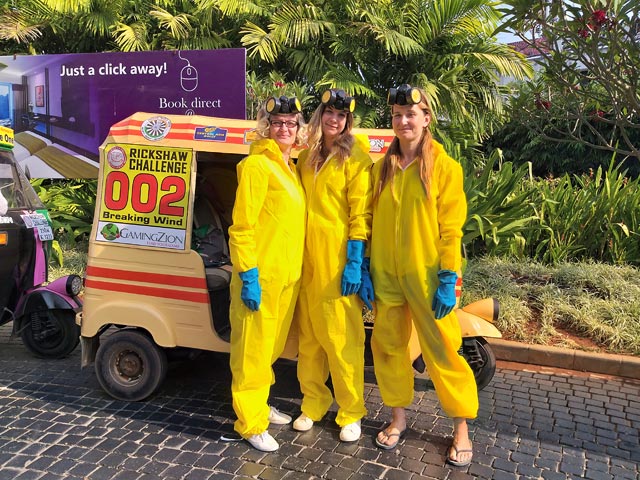
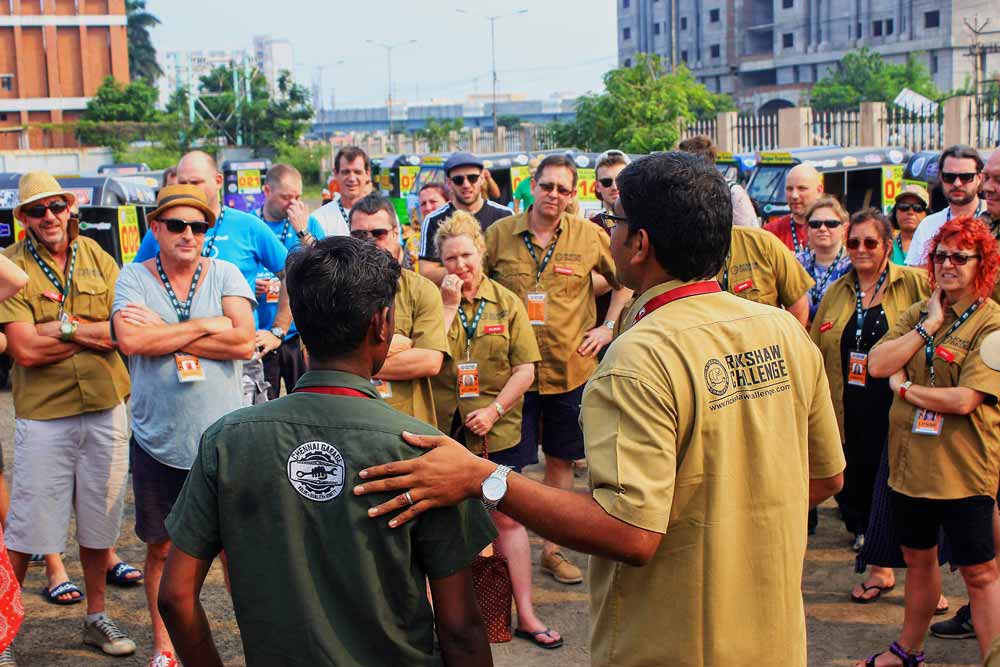
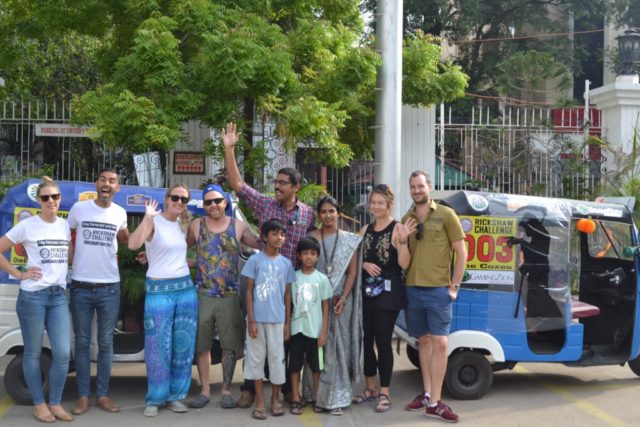
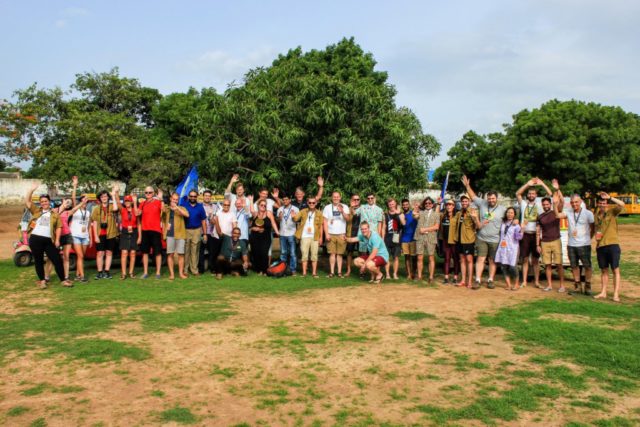
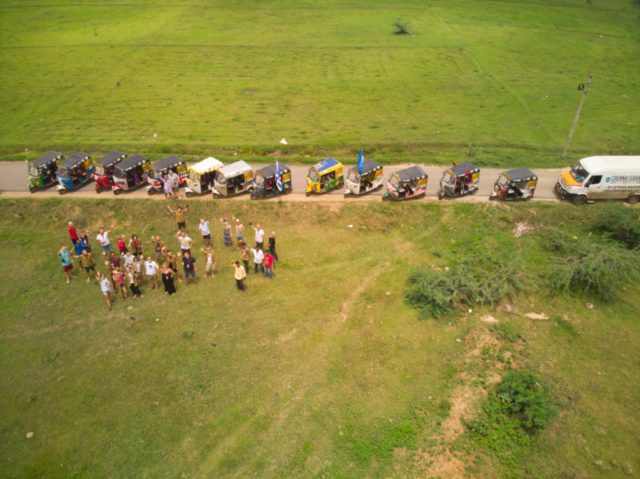
Briton Paul Haran wore his radiant red Ferrari suit, put on his racing gloves, took his road map and jumped into ‘Nigel Manzil,’ one of the 13 colourful autorickshaws that accelerated their way towards the roads of one of the most rugged terrains in India. The third annual Mumbai Xpress Rickshaw Challenge, which flagged off from Queen Mary’s College in Mylapore recently is a unique rally, with adventurous travellers from around the globe piling their wacky auto rickshaws for an action packed (around 2,000 km) journey to Mumbai.
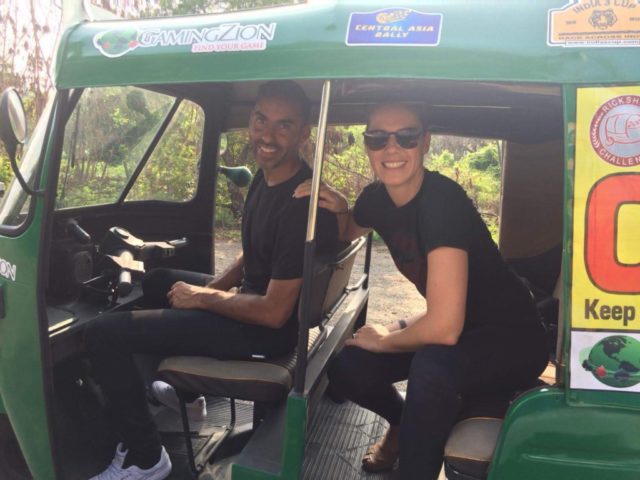
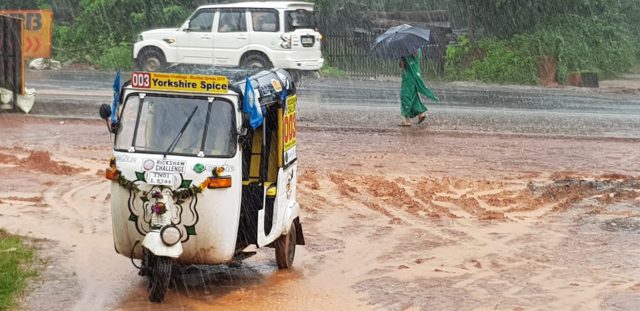
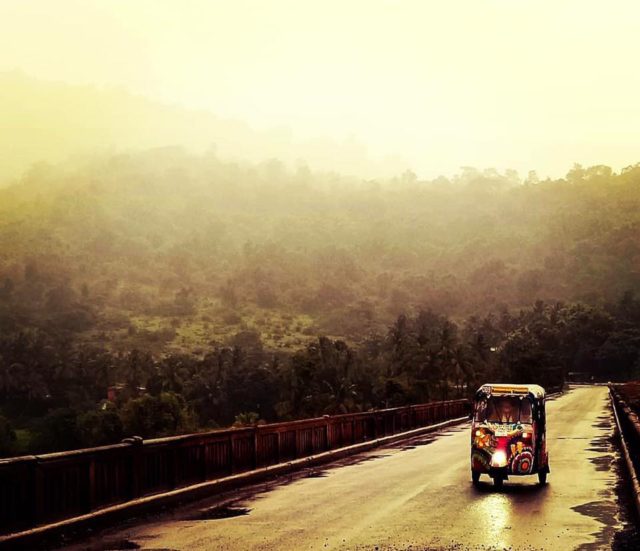
Motoring through crowded streets in auto rickshaws (aka tuk tuks), is my favorite mode of transportation in India. They are loud. They are subject to the wind and rain. They miraculously come within millimeters of pedestrians, cows, scooters, bikes, and other auto rickshaws. And they are fun as hell.
The three-wheeled vehicles are covered but door-less. With a two-stroke engine and handlebar controls, it’s similar to a ride at Disneyland, albeit without the circular track to nowhere. Unlike a sanitized, elevated ride in an air-conditioned four-wheel drive tourist vehicle, tuk tuks are the best mode of transport for a close-up look at daily life. You’ll whiz past vegetable markets and get a whiff of ripe bananas, hear locals haggle over goods, and get a birds eye view of monkey shenanigans on the roadside.
For some years, this cheaper form of transport, better known as the ‘tuk-tuk’, has been in operation in areas such as Brighton town and parts of London.
Its operation, however, has been controversial.
Taxi owners who had been facing losses due to auto-rickshaws complained about its safety and environment aspects, but recent reports indicate that this form of transport, imported mostly from India, is gaining in popularity.
The Indian monsoon has a serious image problem. Mention the ‘M’ word to adventure travelers and their eyes widen in fear, as though the entire country is submerged in a deluge of water for several months of the year, reducing the roads to rivers and skies to a deep leaden gray.
The monsoon season can in fact be a wonderful time to visit India:
It is less expensive - The high season of December to February is packed with travelers from Europe and prices skyrocket, hotels are full, and flights are overbooked. During the summer, flight costs fall, hotels are empty and the Taj Mahal won’t be over run with thousands of package travelers from Delhi.
It is green - The entire country is green and verdant during the monsoon season. There are numerous festivals at this time, and locals are very welcoming to visitors eager to learn more about the life giving rains that are an integral part of Indian culture and tradition.