Jakarta is planning to replace one of the city’s enduring symbols — the orange-colored three-wheeler taxis or the bajaj — with an environment-friendly version that is powered by compressed natural gas.
Jakarta’s governor is behind the effort for the new taxis, and the aim is to cut air pollutants in the ninth densest city in the world.
Bajaj Auto Ltd. plans to raise production of its three-wheeled vehicles to 35,000 units a month by March from 30,000 now to meet rising demand in the local market, a senior company executive said.
Bajaj, India’s second-largest two-wheeler maker and the largest three-wheeler maker by sales, expects local demand to rise between 10% and 15% for the next two years, R.C. Maheshwari, chief executive for the commercial vehicle business, told Dow Jones Newswires recently.
“While demand for goods carriers has been declining, there has been a constant surge in demand for three-wheeled passenger carriers,” Mr. Maheshwari said.
Here’s a simplified version of the Bajaj Tuk Tuk papercraft that was released by Jules last year. An auto rickshaw or three-wheeler is a motor vehicle and a mode of transport commonly found in Asian countries like Thailand and Indonesia.
When last we had word of MotoCzysz, the company had just finished a marathon struggle to design, build and race an electric motorcycle at the TTXGP. The epic E1pc was built and shipped to the Isle of Man where it participated in the practice runs but tragically suffered a motor failure at the beginning of the actual race. Fast-forward a few months and things seem to be looking up for the American innovator as word comes of a new relationship with Bajaj, the Indian maker of motorcycles and all things tuk tuk. Sounds like it could be a good match. MotoCzysz comes to the table with good knowledge of electro-mechanical engineering and product design while its new partner has lots of low-cost manufacturing capacity.
The exact type of vehicle they will work on is a bit of a question mark though. Referred to as a “Dream” project, the joint venture aims to produce nothing less than the next-generation automobile.
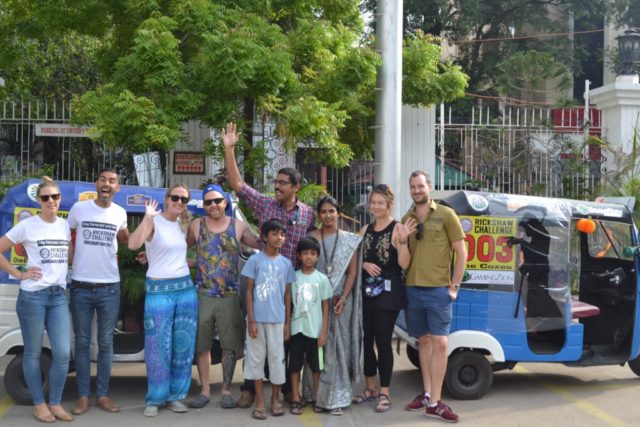
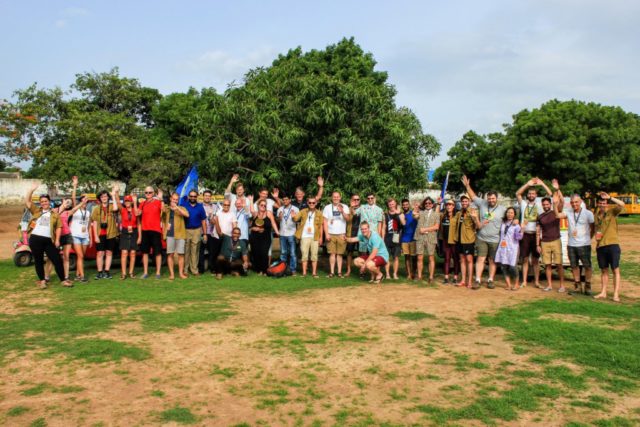
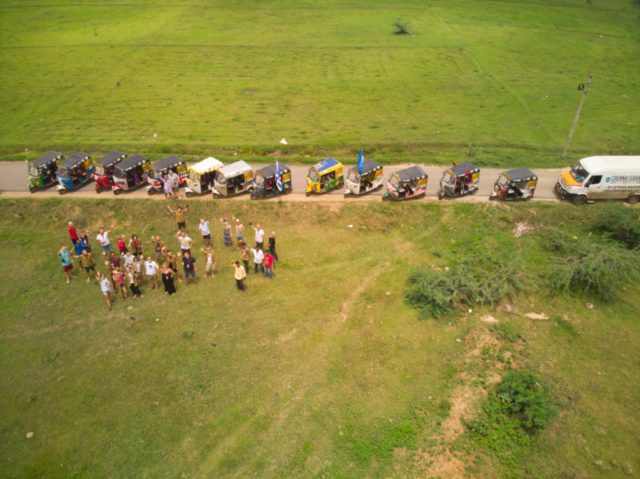
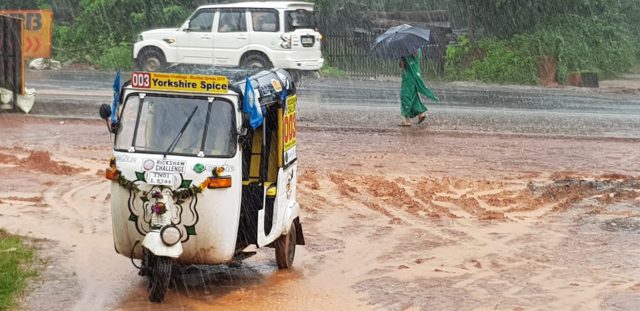
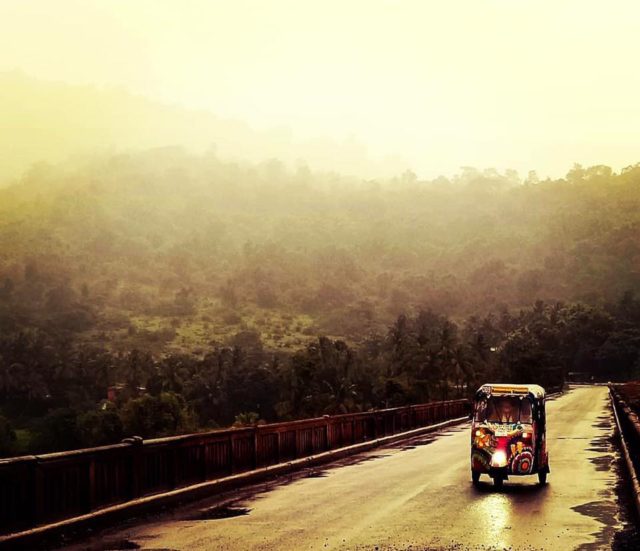
Tracing Tea, the international collaboration of four students and a film crew who have a love of tea strong enough to survive 15,000 km in three-wheeled auto-rickshaws, celebrates the 350th anniversary of tea’s introduction to Britain. The expedition will trace stories entwined with tea, tales of espionage, warfare, philosophy and medicine.
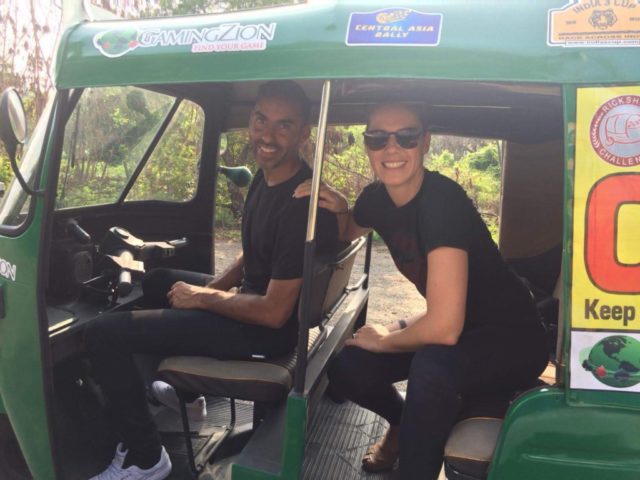
Concerned that Land Rover’s monopoly on overland travel has removed the challenge of travel, the Tracing Tea team opted to drive their route in a Bajaj 175cc auto-rickshaw, the three-wheeled icon of India, and its European counterpart, the Piaggio Ape. Commonly described as resembling ride-on mowers, the auto-rickshaws are guaranteed to keep things interesting.
Tracing Tea aims to produce a different kind of material. Travelling without a political, religious or social agenda, the Tracing Tea team will take time to discover, record and ultimately present, the stories of ordinary people and extraordinary places… Full article here